
Last night we had a ‘Blue Moon’ which provided some stunning light across the beach huts at Calshot beach. We went out just after 11pm with the Fuji X-T1 and photographed the beach.
So, as I found out a Blue Moon is not really blue – which is kinda a shame !! The term Blue Moon is the name given to the second full moon in any given calendar month. This one was particularly bright and as we were down on the South Coast we had a great view of the moon as it moved over the Isle of Wight.
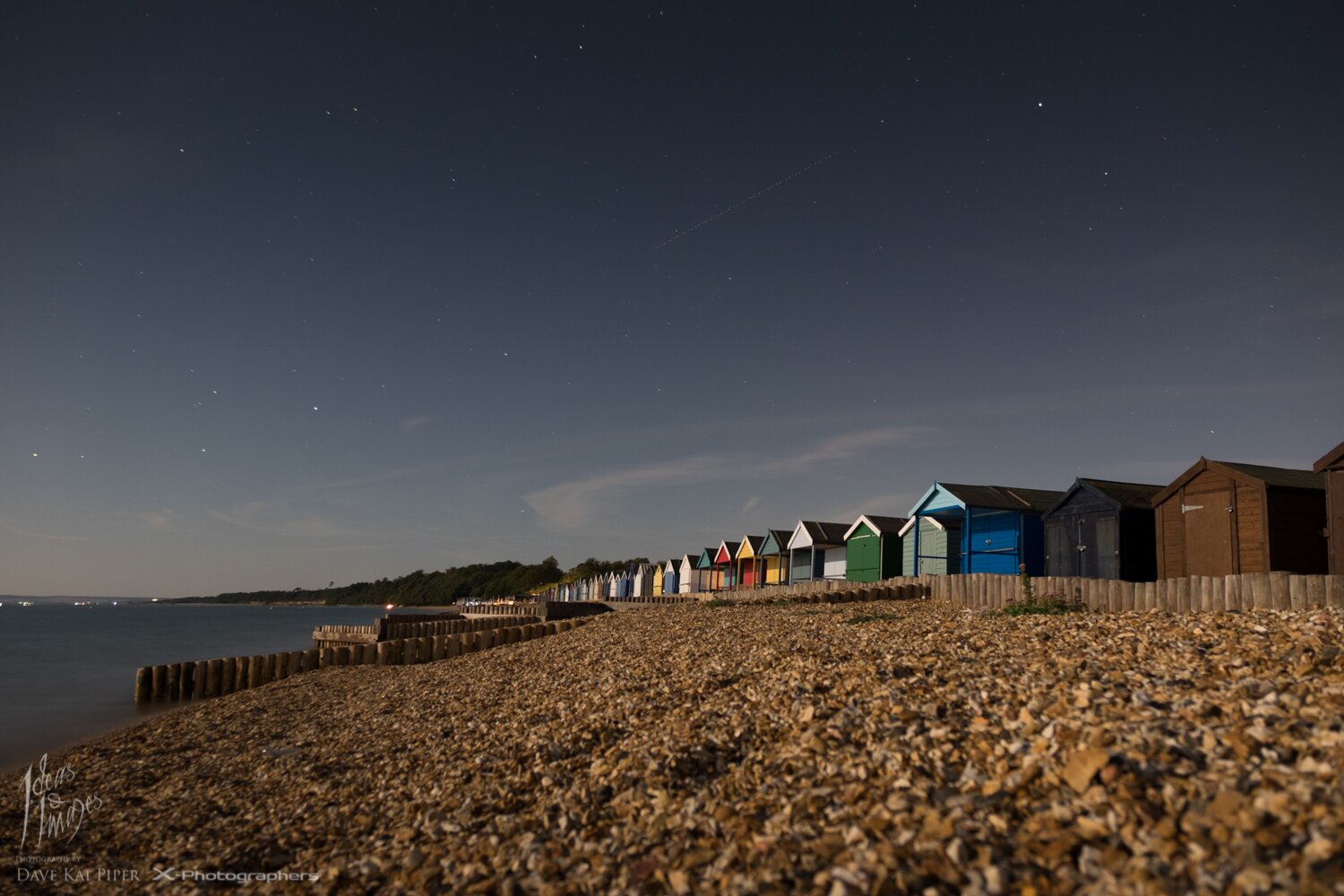 iso 250 – XF 16-55mm WR @ 16.5mm – f2.8 – 25 seconds
Here are my 5 top tips for photographing by moonlight.
- Get the camera stable.
- Long Shutterspeeds.
- Bring a torch.
- Low f-stops.
- Hyperfocal Focusing
Set up tips – Hyperfocal Focusing
Most of these shots are landscape shots, well the rest are seascapes which is kind of the same thing. When you are photographing static things you can start to relax about things like focusing. Set the camera to manual at move the focus ring to the infinite symbol and off you go. It can be quite tough to find your way around your camera at night. Bringing a torch can help find the settings on the camera!
(The hyperfocal distance is the closest distance at which a lens can be focused while keeping objects at infinity acceptably sharp. When the lens is focused at this distance, all objects at distances from half of the hyperfocal distance out to infinity will be acceptably shar.) – Click here for more info via Wikipedia
This is the location for the shoot:
[google_map_easy id=”3″]
Get the camera stable.
When shooting anything longer than a 1/30th of second I like to use a tripod or find away of getting the camera perfectly still. Last night we didn’t have a tripod to hand for some of these shots as we only had one tripod to share between three people so I made this little rock-pod out of stones from the beach. It seemed to work OK when using the timer setting to trigger the camera. A neat trick that the Fuji camera do while shooting long exposures is that they give you counter on the back of the camera to show how long in seconds the wait will be is. Another tip is to use super fast memory cards as long expo will build up larger amounts of data in the film buffer.

Long Shutterspeeds & Fast Glass
I guess it makes sense to many people that shooting at night will mean long shutterspeeds but you can bring the shutter speeds down by using such lenses as the 56mm f1.2 like in the image below. Since there are fisherman in the shot, a super long shutter would of made them super blurry. I was able to still get them in the shot by shortening the time they had to move about
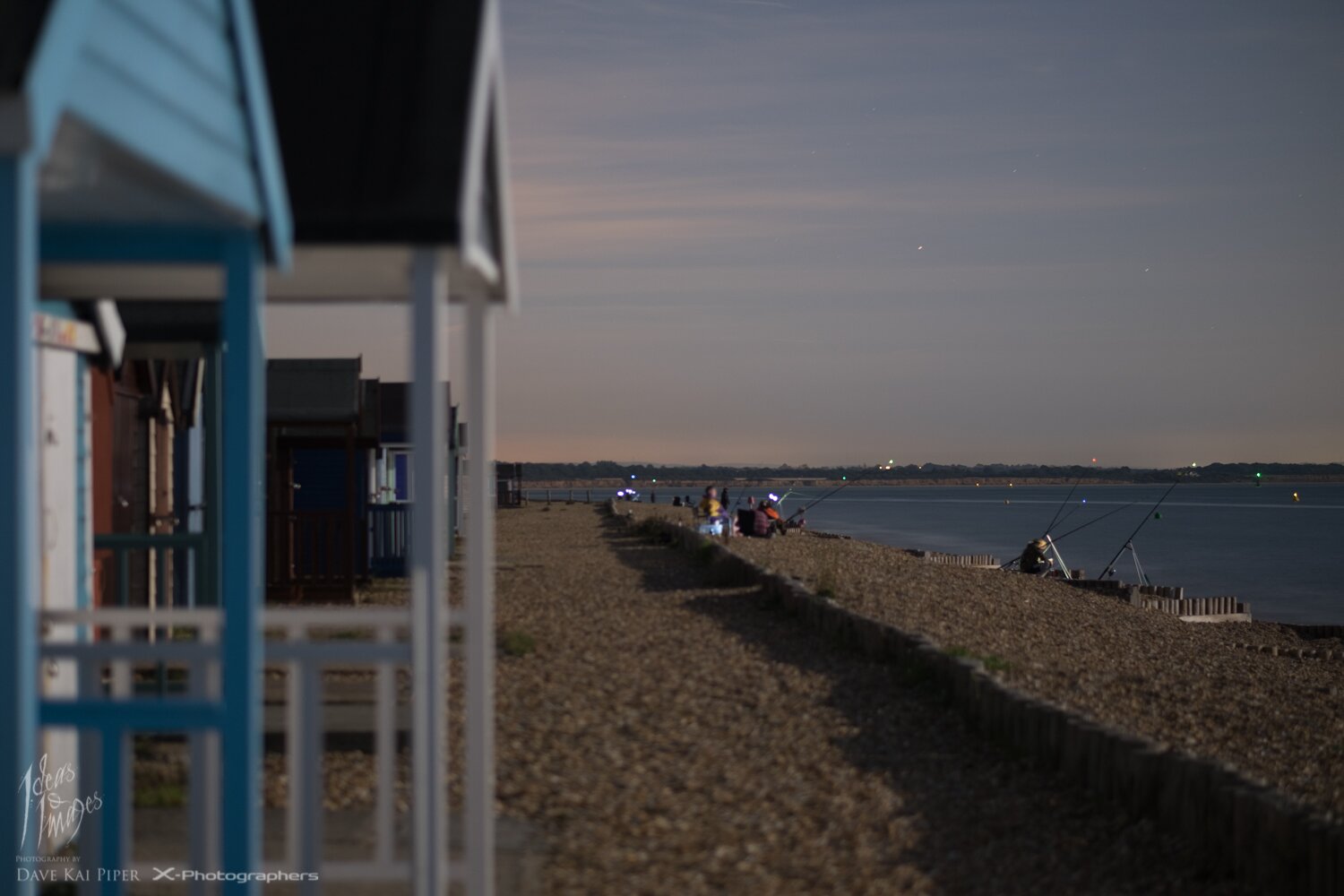 iso 200 – XF 56mm WR – f1.2 – 13 seconds
Shoot the stars.
We were lucky last night to have super clear skies but what really helped this image was the lack of light pollution in the skies. Getting away from the major towns and cites can be all you need to be able to catch the stars in your images. Balancing your composition is always going to be helpful giving the stars plenty of room in the image.
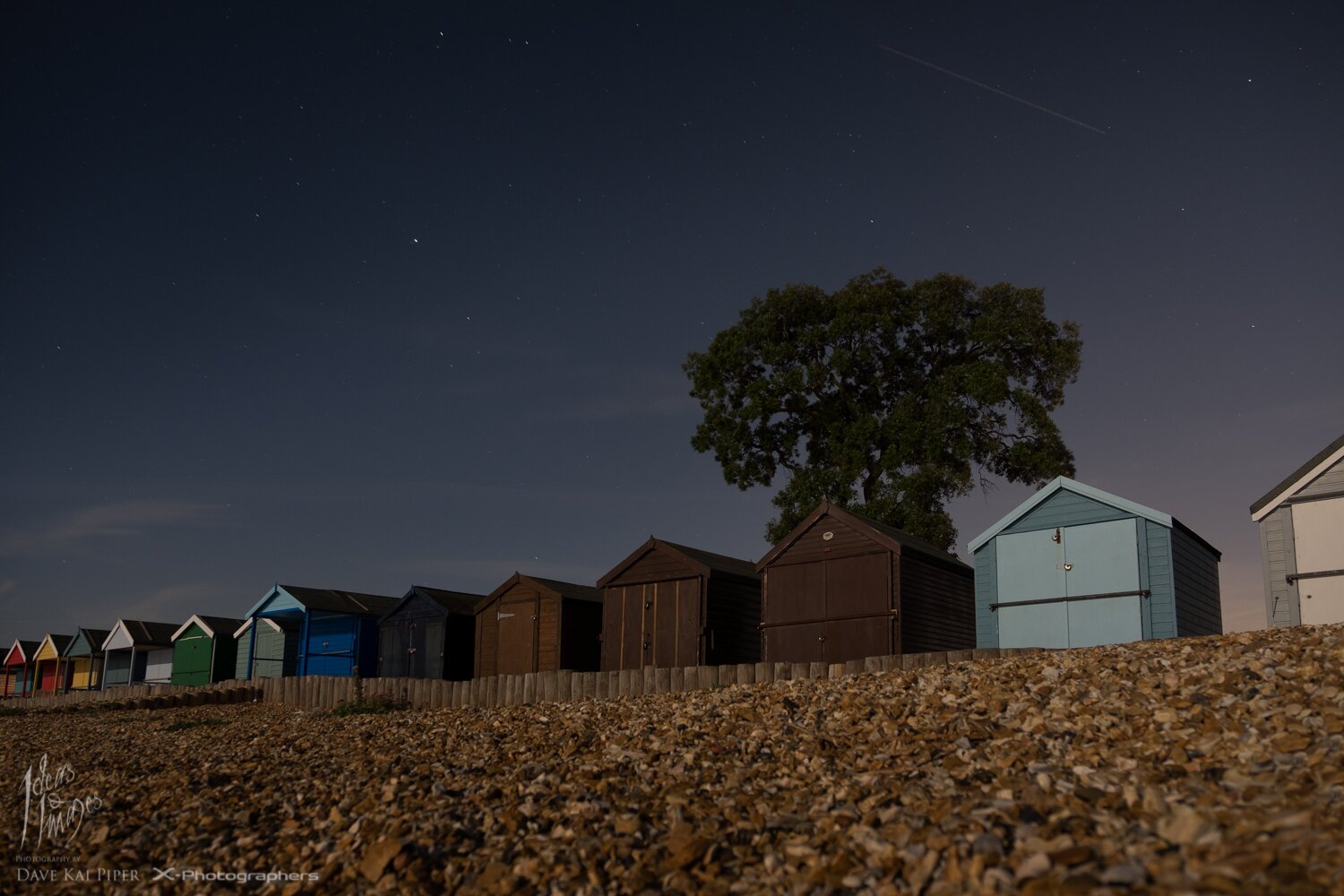 iso 200 – XF 16-55mm WR @ 16.5mm – f3.2 – 25 seconds
In this shot below I love the intense reflection coming from the moon. The only real way to spot that this image was taken at night are the slight twinkle of the stars, smoothness of the water and the lights across the water on the Isle of Wight. Below that is a close up shot of the waves hitting the wooden water breaks which was converted in to Monochrome.
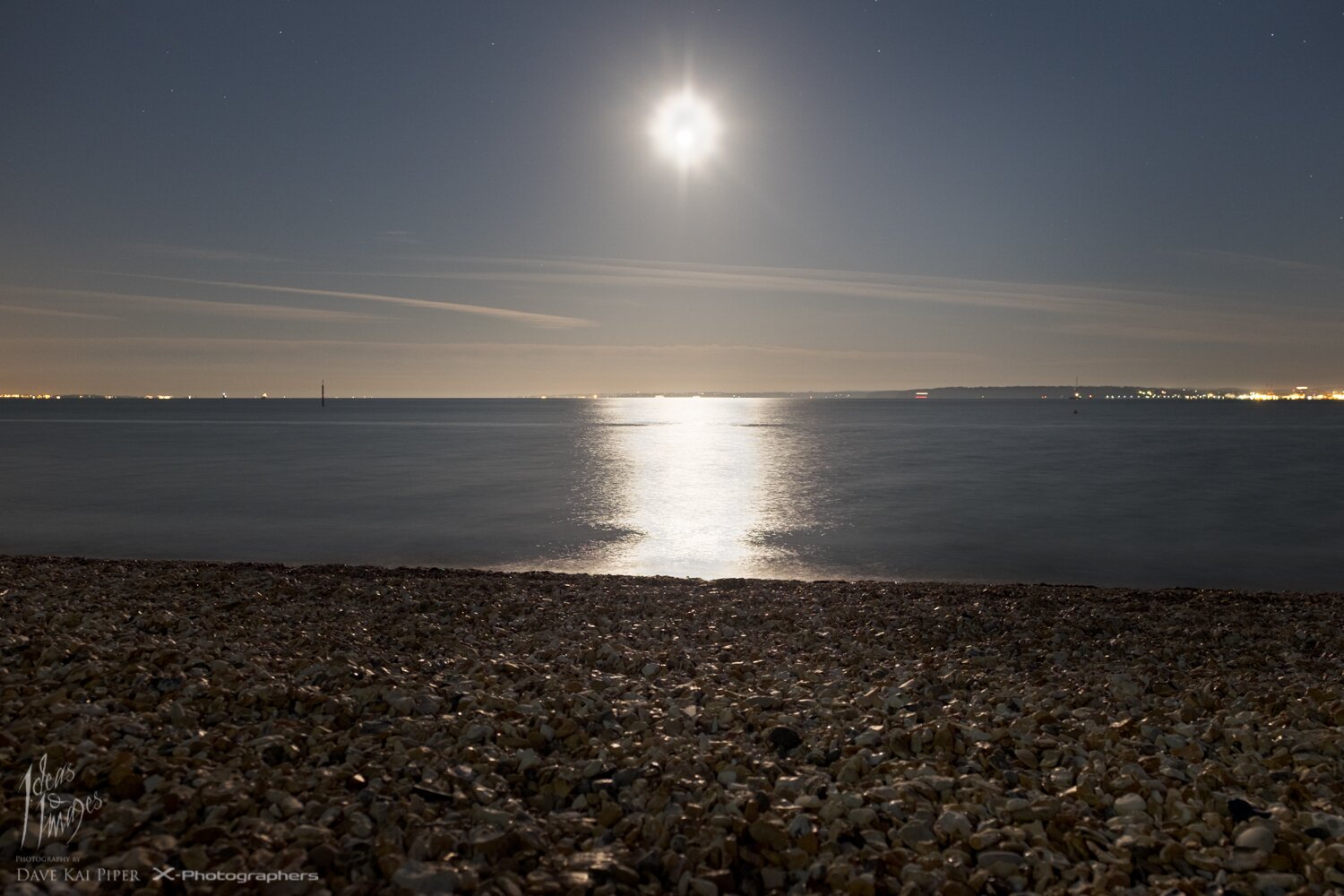 iso 200 – XF 16-55mm WR @ 16.5mm – f3.6 – 8 seconds
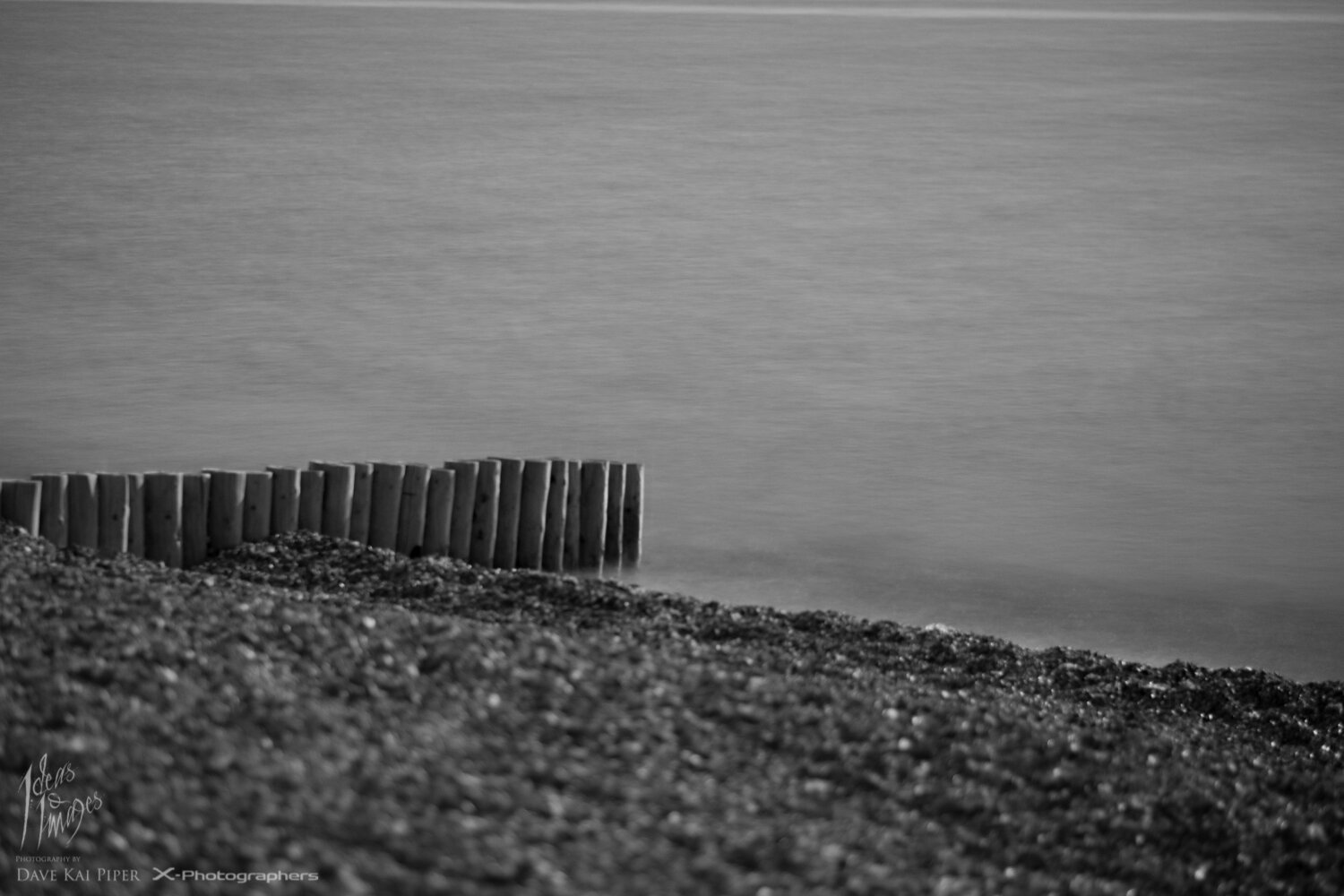 iso 200 – XF 56mm WR – f1.2 – 13 seconds
Here are a few links to help you find some of the stuff mentioned in this blog post, also remember to sign up for the newsletter which can be found here.
